One hundred and twelve years, kept safe for the next hundred
The Museum at the Church’s headquarters holds the founder’s relics, the letters, the photographs and the memory of the congregation — newly redesigned under the 5th Bishop, and now open to the world online.
Did your grandmother worship here?
Many families drifted from the Church across the generations — moved cities, crossed borders, lost touch. If your parents or grandparents were members, start with a name, a branch, or a year. The Museum archive can help you find the photographs, records and the living congregation nearest to you — the door has never closed.
A timeline of the Church
James Ngcanjini Limba is born
At Ngqele, in the Middledrift district of the Eastern Cape — the man who would found the Church. (Church records say 1878; historians place it around 1883.)
The vision at Kendrew, and the founding
Working as a railway porter, Limba receives a vision at tea time: "This Church shall be led by you." He leaves everything to preach in Cape Town — in Ndabeni, on the trains, at the Grand Parade. The Church becomes known as iNkonzo yeSizwe — the Church of the Nation.
Headquarters moves to New Brighton
Port Elizabeth becomes "iKhaya lamaKrestu" — the home of Christians. Within a decade, the Church of Christ has the largest membership of any independent church in New Brighton, and Bishop Limba is spoken of alongside Shembe and Lekganyane among the great African founders.
The Temple and the Bishop's Palace are built
The Temple at Limba Road & Sheya Kulati Drive — seating more than a thousand, an imposing landmark by any standard — is consecrated in 1937 and still stands today. From 1940 the Church also runs its own school on the premises.
The poets praise "Ngangegunya"
The great S.E.K. Mqhayi composes izibongo for Bishop Limba — "A-a, Ngangegunya!" (Hail, one equal to authority!) — published in Indyebo kaXhosa (1951); E.F. Gwashu's praises appear in Imvo Zabantsundu (1946). Imvo writes in 1945 that "not a single member of Limba's church could be called indigent."
King George VI visits
During the royal tour of the Union, the King is amazed to find an institution with no Western influence. On his death in 1952, Bishop Limba is invited to his funeral in writing.
Three successors carry the work
Bishop Fibi builds 29 Temples and champions education; Bishop Pitana builds a world-class Temple at the headquarters; Bishop Monki founds the Youth Festival, the gospel group and this Museum.
Nelson Mandela attends the reburial ceremonies
The remains of the first three Bishops are reburied at the Church grounds — umhlaba wamaGorha — with the former President attending the tombstone unveiling.
The state honours the Church
Deputy President Zuma addresses the 90th anniversary; the centenary message follows in 2014; President Zuma visits Bishop Bolana in New Brighton in 2016.
The Museum is redesigned
Under the 5th Bishop, John Bolana, the Museum reopens with a refreshed exhibit of the founder's relics and 112 years of archives — one of his final gifts to the Church.
The 6th Bishop takes office
Bishop Mlungisi Bebula, anointed successor-designate in December 2019, leads the Church into its digital century.
The congregation’s own memory
Your family’s photographs, programmes and stories are part of the Church’s history. Photo and story uploads aren’t live on the site yet — email them to the Museum committee instead. Every submission is reviewed by the Museum committee before it joins the public archive; nothing is published automatically.
Email a photo or story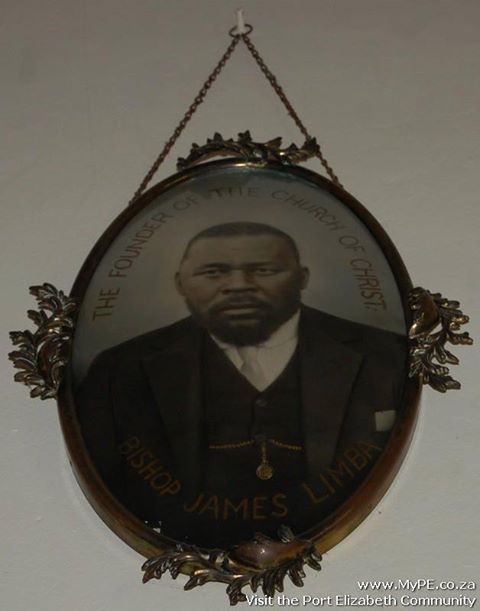
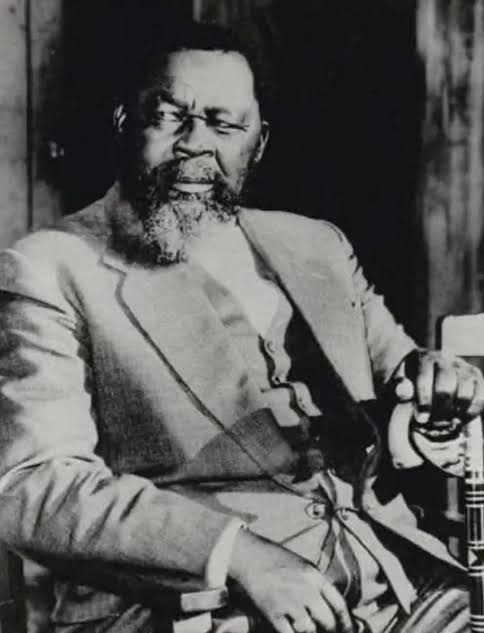
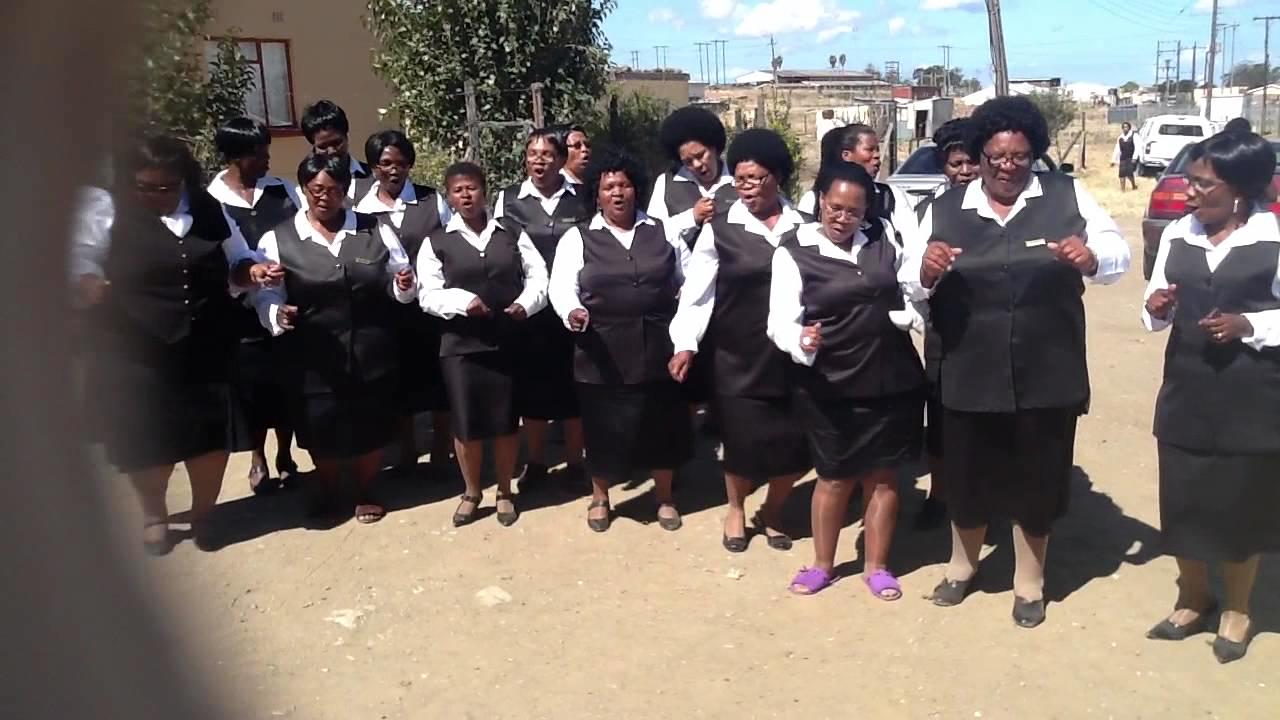
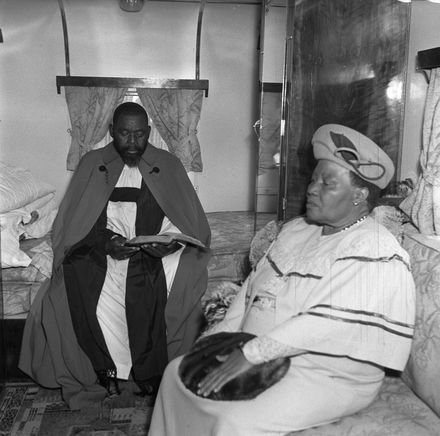
Captions are provisional — the Museum committee will verify names, places and dates before the public archive launches.